
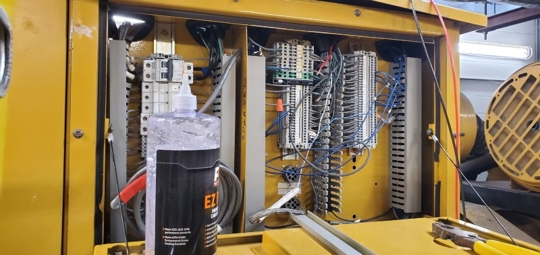
A complete electrical failure isn’t the threshold for planning an upgrade. Recurring breaker trips, equipment straining existing circuits, and lights that dim when major loads start can all signal that a commercial electrical upgrade is more practical than another isolated repair.
For more than four decades, our licensed and insured team has served Manatee and Sarasota counties. At Richard's Home Services, we see that electrical decisions are tied to daily operations: protecting equipment, accommodating a new tenant, adding refrigeration or kitchen appliances, or keeping an older building ready for greater demand.
Repairs & Upgrades Solve Different Problems
A repair restores something that has failed or become unsafe. Replacing a damaged receptacle, correcting a loose connection, or repairing a malfunctioning circuit resolves a defined problem without changing the capacity of the electrical system.
An upgrade addresses a larger limitation in service capacity: the amount of power a building can safely receive and distribute. It may increase available capacity, replace aging panel and distribution equipment, add circuits for specific equipment, or improve how power moves through the property.
The distinction matters because a system can still be operating while no longer fitting the business using it. A property that has added workstations, cooling equipment, tenant spaces, or higher-demand machinery may need a broader evaluation even if nothing has failed outright.
Signs Your Bradenton Business May Need an Upgrade
Recurring symptoms deserve more attention than a one-time nuisance. Patterns that point to overloaded circuits, insufficient distribution capacity, or aging equipment often call for a commercial electrical evaluation rather than another repair.
Watch for these warning signs:
- Recurring breaker trips: Breakers that trip repeatedly, especially when the same equipment is running, can indicate an overloaded circuit that needs evaluation.
- Dimming or flickering lights: Lights that dim when an air conditioner, refrigerator, motor, or other large load starts may signal that the circuit or distribution equipment is under strain.
- Heat, odors, or noise: Warm panel covers, buzzing, crackling, discoloration, or burning odors require prompt professional attention.
- Too few usable circuits: Extension cords or power strips used as permanent solutions (or a lack of dedicated equipment circuits) can reveal that the layout no longer supports operations.
- Visible age or damage: Corrosion, damaged enclosures, obsolete components, and inspection findings can require corrective work beyond a simple component replacement.
Large electrical loads need more than an open outlet. Heating and cooling equipment, refrigeration, commercial kitchen appliances, production machinery, and computer systems may each require a dedicated circuit to operate reliably. Even brief outages can halt sales systems, affect temperature-sensitive inventory, interrupt production, or leave a tenant without power.
Business Changes That Increase Electrical Demand
Growth can expose limitations that weren’t apparent under a building’s earlier use. New HVAC equipment, walk-in refrigeration, kitchen appliances, manufacturing equipment, electric vehicle charging, or additional workstations all change the connected load: the total electrical demand placed on the system.
Before new equipment is installed, an evaluation should account for service capacity, panel space, branch circuits, voltage, disconnects, and available phase of power. Three-phase power, which delivers electricity through three alternating currents, is commonly used for larger motors and commercial equipment because it handles demanding loads more efficiently than single-phase power. A load calculation is a structured assessment of anticipated demand that determines whether existing service and distribution equipment can support new additions while accounting for what’s already running.
Tenant improvements need electrical planning before walls and ceilings are closed. Circuit layout, receptacle placement, lighting, equipment connections, and emergency and exit lighting should all reflect how the finished space will actually be used, especially when a new tenant has different demands than the previous occupant. An office conversion, retail build-out, restaurant space, or expanded service area may call for circuit additions, subpanels, or changes to the main distribution equipment.
What a Commercial Electrical Upgrade Involves
There isn’t a single universal scope for a commercial electrical upgrade. The right approach starts with an assessment of existing service equipment, panels, wiring, connected loads, operating schedule, and plans for future equipment or expansion.
Depending on the findings, work may include a panel upgrade, service change, circuit additions, a subpanel installation, improved lighting, surge protection, or changes to three-phase distribution. In some cases, a phased approach makes more sense than replacing every component at once.
Permitting and documentation can shape the project schedule. Manatee County commercial electrical submittals may require electrical site plans, single-line or riser diagrams, panel schedules, grounding details, load calculations, emergency system information, and equipment specifications, depending on the scope. A single-line diagram shows how power flows from the service through panels and major equipment. A riser diagram illustrates electrical distribution through the building, particularly useful in multilevel properties. Panel schedules identify the circuits served and their intended loads. Accurate documentation supports permitting, inspection coordination, future maintenance, and informed decisions when equipment is added later.
How to Plan the Work Without Disrupting Operations
Electrical work in an active business requires a sequence that accounts for operating hours, tenant access, planned shutdowns, equipment downtime, and inspections. These constraints should shape the project plan before work begins, not after a shutdown has already been scheduled.
A written scope gives everyone involved a clearer working plan. It should identify affected panels and equipment, the expected order of work, permitting needs, planned interruptions, and coordination required with property managers, contractors, or equipment vendors. Some improvements can be completed in phases so the most urgent safety, reliability, or capacity concerns are addressed first. Routine preventive electrical maintenance can then help track equipment condition and schedule future work before a failure becomes disruptive.
Older commercial properties can present additional planning challenges when their electrical systems were designed for a different era of equipment use. Age alone doesn’t determine whether a replacement is needed. The more useful questions are whether the equipment is in sound condition, whether it has sufficient capacity, and whether it can safely support current and planned operations.
When to Schedule a Commercial Electrical Evaluation
Schedule an evaluation when recurring symptoms, planned growth, new equipment, an upcoming renovation, aging infrastructure, or an inspection concern creates uncertainty about the system’s capacity. Waiting for a complete shutdown limits scheduling options and turns a planned project into a business interruption.
Request an evaluation if you’re facing:
- Repeated electrical issues: Breakers trip regularly, lights dim under load, or power interruptions keep returning after repairs.
- New equipment plans: A new HVAC system, refrigeration unit, kitchen appliance, machine, charger, or workstation expansion will increase demand.
- Space changes: A tenant improvement, remodel, expansion, or new occupancy changes how circuits, lighting, and receptacles need to function.
- Panel concerns: Equipment is visibly damaged, hot, noisy, outdated, or can’t accept the circuits the business needs.
- Inspection findings: An inspector, property manager, or contractor has identified electrical conditions that require correction or further review.
Burning odors, smoke, visible arcing, exposed conductors, or hot electrical equipment aren’t routine troubleshooting issues. Keep people away from the affected area when it can be done safely and call for immediate professional attention.
Upgrades are easier to plan when warning signs or business changes first appear, not after an unexpected outage interrupts operations. Richard's Home Services can provide a commercial electrical evaluation, repair, or upgrade estimate for businesses in Manatee and Sarasota counties. To discuss the electrical needs of your property, reach our team at (941) 326-4742.